Choosing the Right Wall Lights for Your Home
Wall lights are more than illumination — they’re subtle sculptures that elevate a space. They free up floor and table surfaces, layer light at eye level where rooms feel warmest, and double as decor even when switched off. Whether you’re lighting a hallway, framing a mirror or adding reading light by the bed, here’s how to choose well.
By Room
In bathrooms, choose IP-rated bathroom wall lights mounted either side of the mirror for shadow-free light. In bedrooms, bedside wall lights free up the nightstand and put reading light exactly where you need it. Hallways and staircases suit fittings spaced evenly along the wall, while living room wall lights add the ambient layer that makes an evening room feel finished. Outside, our outdoor wall lights are weather-rated for Australian conditions, brightening dim corners and lifting kerb appeal.
Popular Types of Wall Lights
Choosing the right wall light is effortless when you understand the basics:
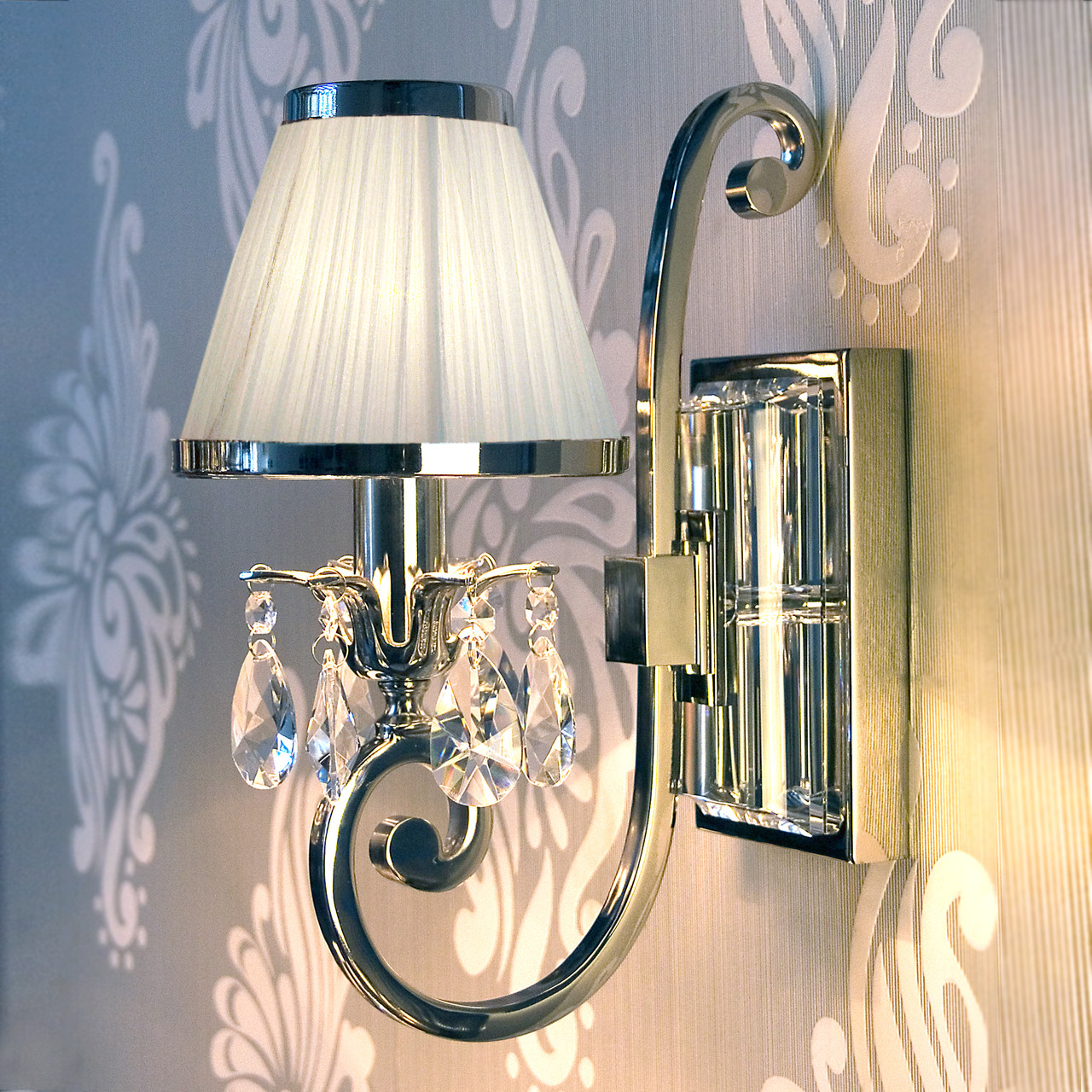
- Wall Sconces: The decorative classics — sculptural fittings in brass, rattan and glass that act as jewellery for a wall.
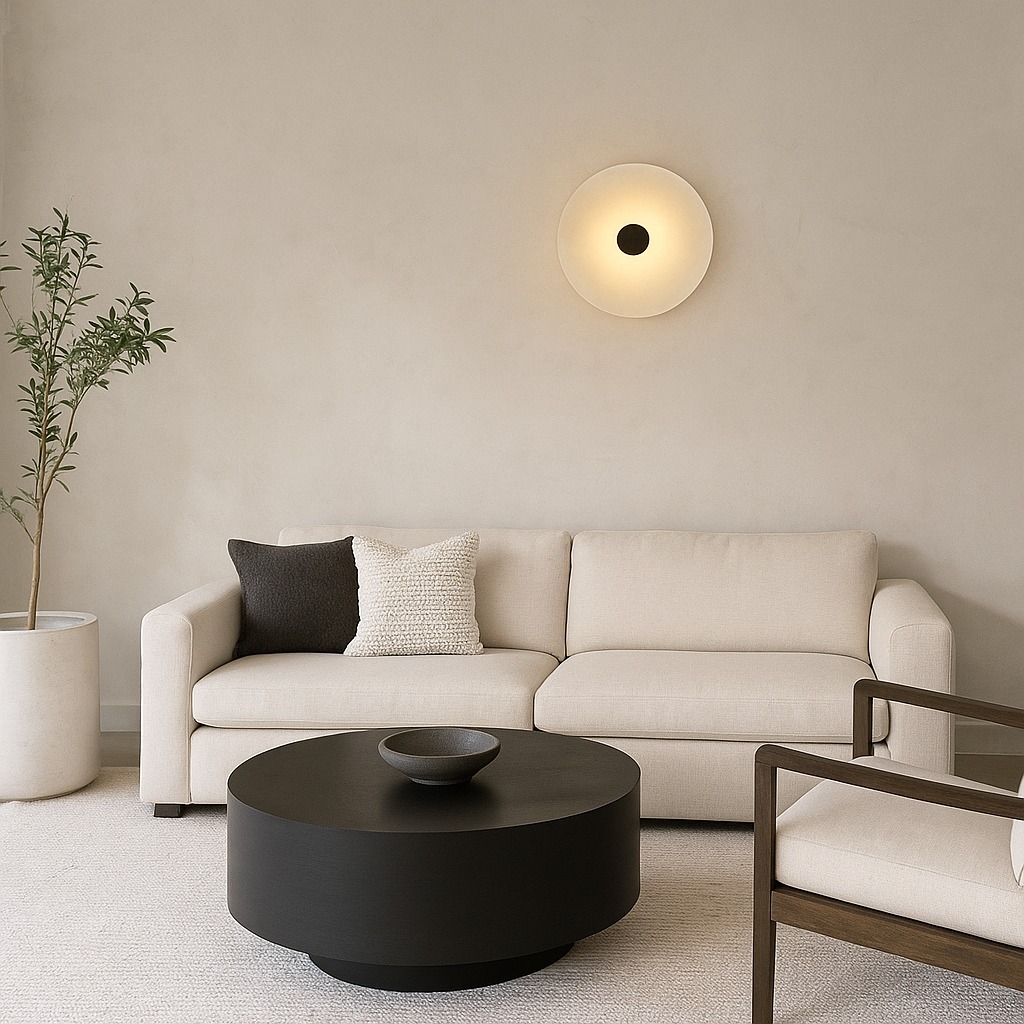
- Uplights and Decorative Wall Lights: Cast a soft glow, creating ambient or accent lighting that enhances textures and architectural features.
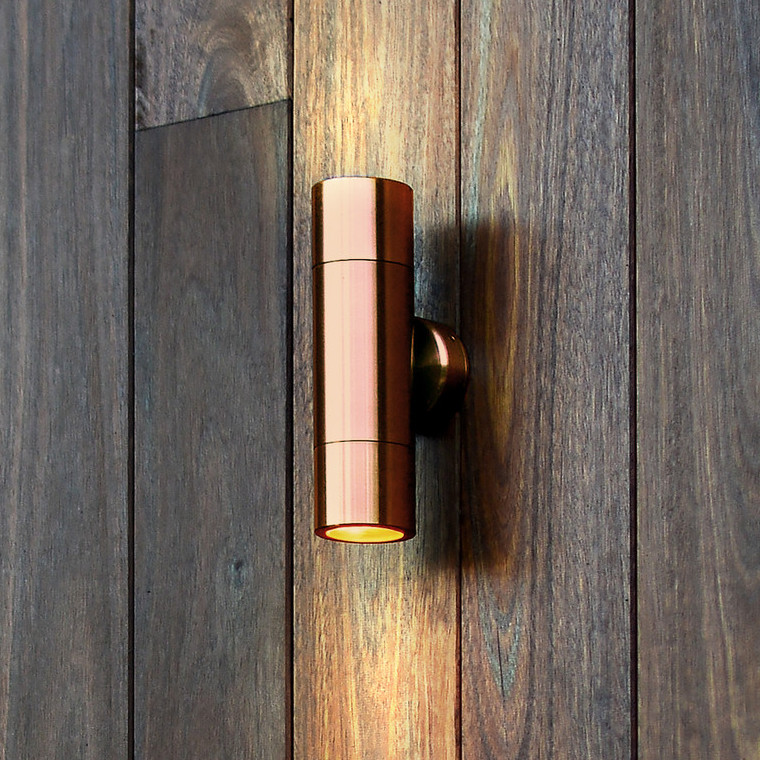
- Up and Down Wall Lights: Cast twin beams upwards and downwards for a dramatic, architectural effect — perfect for hallways, feature walls and entries.
- Adjustable Wall Lights: Moveable arms or heads allow precise directional lighting for reading, workspaces, or feature highlights.
- Bathroom & Vanity Wall Lights: Offer even, glare-free illumination for grooming and personal care.
- Picture Wall Lights: Showcase artwork, photographs, or decorative features with gallery-style precision.
- Plug-In Wall Lights: Install in minutes with no wiring — the go-to for renters and retrofits.
By Style and Finish
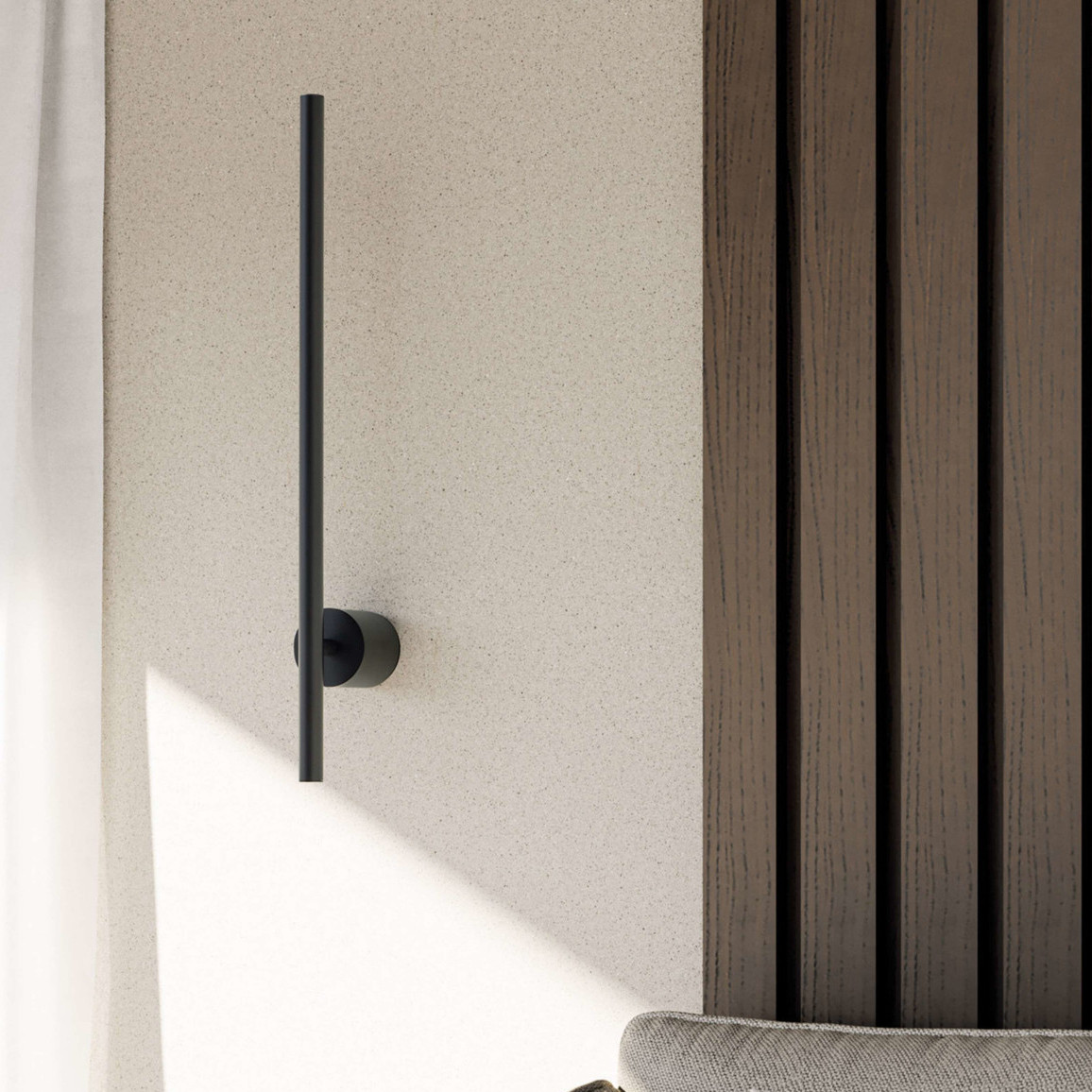
Browse black wall lights for a modern edge, brass wall lights for warmth that ages beautifully, or explore by look — from Art Deco and traditional through to modern wall lights. Explore the full range in Shop Wall Lights by Style.
Wall Light FAQs
What height should wall lights be mounted?
As a rule of thumb, 150–170 cm from the floor to the centre of the fitting — roughly eye level — so the light source sits comfortably in view without glare. Bedside wall lights go lower, around 90–120 cm, so light falls on your book when you’re sitting up in bed.
How far apart should wall lights be spaced?
Along a hallway or large wall, space fittings 2.5–3 metres apart for even, welcoming light. Flanking a feature — a mirror, artwork, bedhead or doorway — position one either side, roughly 90–100 cm apart and centred on the feature.
Do wall lights need to be installed by an electrician?
Hardwired wall lights do — connecting to 240V mains is licensed work in Australia. Plug-in designs are the exception: mount the bracket, plug into a standard power point, done. For adjustable control, look for fittings with built-in switches or pair with a dimmer.
What’s the difference between a wall light and a wall sconce?
Very little — “sconce” is the traditional name for a decorative wall-mounted light, and in Australia the two terms are used interchangeably. In practice, “sconce” usually refers to the more decorative, sculptural styles, while “wall light” covers everything from feature fittings to practical task lights.
How bright should wall lights be?
For ambient accent lighting, 300–500 lumens per fitting is plenty; for task lighting like reading, look for 400–700 lumens of directed light. Warm white (2700–3000K) suits living areas and bedrooms; pair with dimmable bulbs where the fitting allows for adjustable mood.